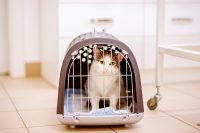
Moving to the Netherlands With Your Pets
Moving to the Netherlands with your pet requires thoughtful planning and an understanding of how Dutch and EU regulations work together. Many families feel anxious about transporting a pet internationally, yet the process becomes straightforward when approached with structure and clarity. This guide follows each part of the journey step by step, from preparation in the UK to settling your pet into everyday life in the Netherlands.
Williams & Yates regularly support clients relocating with pets, managing the process so it remains calm, compliant and predictable. With the correct documentation, vaccinations and travel arrangements handled in advance, pet relocations can proceed smoothly and without unnecessary stress. This guide explains how we take care of the requirements, minimise the risk of delays, and ensure your pet’s wellbeing is supported throughout the entire transition.
Preparing Your Pet for the Move
Preparation begins long before travel day. Pets respond best to gradual changes, so early planning helps reduce stress for both pets and owners. The Netherlands follows EU import regulations, which are clear and well-structured. Meeting these requirements ensures your pet can enter the country without quarantine and without complications at the border.
Preparing your pet means three things. First, meeting the health and documentation requirements. Second, making practical arrangements for the journey. Third, ensuring your pet feels secure throughout the process. When these elements come together, the move becomes manageable and predictable.
Understanding Import Requirements
The Netherlands is part of the EU, and therefore follows EU-wide rules for importing cats, dogs, and other companion animals. These regulations ensure animal welfare, public safety, and disease prevention. Compliance is essential. Meeting these requirements avoids delays, fines, or potential refusal of entry.
The rules differ slightly depending on the type of pet and where the journey begins. Dogs and cats follow the same core requirements, while certain exotic pets may need additional paperwork. UK pets are treated as non-EU imports, which means they require a veterinary health certificate rather than an EU pet passport.
Customs and veterinary officers in the Netherlands take documentation seriously. Pets arriving without the correct paperwork may be held for inspection. Ensuring accuracy during preparation is the most reliable way to guarantee safe arrival.
Microchipping
A microchip is mandatory for any pet entering the Netherlands. The microchip must meet ISO standards so that it can be read by European scanners. This tiny device identifies your pet and links them to their vaccination and health records.
Microchipping must take place before your pet receives its rabies vaccination. If the vaccination is given first, it will not be considered valid under EU regulations. For this reason, most owners schedule the microchip appointment early in the preparation timeline.
Veterinarians can check the chip after implantation to ensure it scans correctly. This verification becomes part of your pet’s travel documentation.
Most dogs and cats are microchipped in the UK from 8 or 20 weeks old, so if you’re travelling with an older pet this may already be done.
Rabies Vaccination
Rabies vaccination is a strict requirement for pets entering the Netherlands. The vaccination must be administered at least twenty-one days before travel. This waiting period ensures the vaccine has taken full effect.
Your veterinarian must record the date of vaccination, the vaccine brand, and the batch number. These details appear on your veterinary health certificate or EU pet passport.
If your pet has already been vaccinated, check that the vaccination is still valid. Rabies protections last one to three years, depending on the vaccine. An expired vaccination must be renewed and the twenty-one-day rule will apply again.
Meeting this requirement prevents delays at the border and protects public health.
EU Pet Passport or Veterinary Health Certificate
Pets entering the Netherlands from EU countries travel with an EU pet passport. This document records the microchip number, rabies vaccination, and veterinary details. It is widely recognised across the EU and makes travel simple.
Pets travelling from non-EU countries, such as the U,K require an Animal Health Certificate or a specific veterinary certificate for entry. This certificate must be completed by an authorised veterinarian. It must include vaccination details, microchip information, and the pet’s general health verification.
Accuracy matters. Any errors in dates, microchip numbers, or signatures can cause delays. Many owners choose to review the document alongside their vet to ensure everything is complete before travel.
Additional Vaccinations and Health Preparations
Most pets do not require vaccinations beyond rabies for entry into the Netherlands. However, your veterinarian may recommend additional vaccinations depending on your pet’s health, age, and the environment in which they will live.
Dogs travelling to the Netherlands often benefit from vaccinations for distemper, parvovirus, and leptospirosis. Cats may require boosters for feline influenza and enteritis. These vaccinations are not mandatory for entry but support your pet’s wellbeing during the transition and once settled in your new home.
A full health check is advised in the weeks before travel. This ensures your pet is fit to journey and helps identify any concerns that might require attention before departure. Many owners find it reassuring to travel with a complete set of veterinary notes that outline their pet’s medical history.
Travel Arrangements for Pets
Preparing your pet for travel involves both practical and emotional considerations. The goal is to create a journey that feels calm, predictable, and secure.
Choosing the Right Travel Method
Pets can travel to the Netherlands by road, air, or sea. The method you choose depends on your location, the size of your pet, and your personal preference.
Road transport is a common choice for families moving through the UK or Northern Europe. Professional pet transport services offer climate-controlled vehicles, scheduled comfort breaks, and handlers trained to care for animals. This option provides continuous supervision and is often considered the most comfortable way for pets to travel.
Air transport is suitable for longer distances or time-sensitive relocations. Pets travel in approved carriers within the hold of the aircraft. Many airlines have detailed animal handling procedures designed to minimise stress and ensure safety throughout the journey.
Sea travel through ferry routes can be a suitable option for short crossings. Pets may travel in pet-friendly cabins or designated kennel areas, depending on the ferry operator. This is more common if you’re also travelling to the Netherlands via ferry.
Preparing the Travel Carrier
A suitable travel carrier is essential. It must be large enough for your pet to stand, turn, and lie comfortably. Ventilation should be sufficient on all sides. For air travel, the carrier must meet airline specifications. Williams & Yates manages all of this on your behalf if we’re managing the move of your pet.
Allow your pet to become familiar with the carrier before the journey. Placing bedding, familiar toys, or items that carry your scent helps reassure your pet once travel begins. Some owners gradually introduce short sessions in the carrier at home to build confidence.
Feeding and Watering Before Travel
Veterinarians often recommend feeding your pet a light meal a few hours before departure to reduce discomfort during travel. Water should be available until travel begins and should be provided again as soon as practical during the journey.
Our professional transport teams provide water at regular intervals and monitor pets throughout the process. Clear communication with your provider ensures your pet’s routine is understood.
Transport Options When Moving With Pets
Relocating to the Netherlands requires coordinating your own journey and your pet’s journey. Many families choose to travel separately from their pets to simplify the process and reduce stress.
Professional Pet Transport
Professional pet transport services manage the entire journey from door to door. This includes collection, travel arrangements, veterinary checks, documentation, and safe delivery to your new home in the Netherlands. These services offer reassurance and continuity for pets who may be anxious or sensitive to change.
Handlers remain with the animals throughout the journey. They monitor comfort, hydration, and temperature. This level of care allows you to focus on your own travel while knowing your pet is being looked after from start to finish.
This is what we offer at Williams & Yates should you choose to move with us.
Travelling With Your Pet
If you choose to travel alongside your pet, ensure you understand the requirements of airlines, ferry operators, or border authorities. Travel documents must be presented at entry points, and carriers must meet transport regulations.
Many movers choose to drive through France and Belgium before entering the Netherlands. This route offers flexibility, comfort, and frequent breaks for pets. When planned well, it creates a calm journey that mirrors your pet’s routine.
Documentation Required for Travel
Documentation is the foundation of a successful pet relocation. Every document must be accurate, complete, and presented in the correct order at the border.
Essential Documents
You will need the following documents for entry into the Netherlands.
- A valid microchip record
- An up-to-date rabies vaccination certificate
- An Animal Health Certificate
- Veterinary notes for reference
Border authorities check these documents carefully. Ensuring all information is correct prevents delays and guarantees a smooth entry process.
Keeping Documents Accessible
Documents should travel with you rather than in your pet’s carrier. Keep them in a folder or travel wallet so they can be presented quickly. Many owners also keep digital copies on their phones as a precaution.
Customs and Import Procedures
The Netherlands follows EU regulations for pet entry. When you arrive, your documents will be checked by customs or veterinary officers. The process is usually quick and efficient when all requirements are met.
Pets do not require quarantine if their documentation is complete. This is one of the reasons relocations to the Netherlands are comparatively smooth. The inspection ensures compliance and verifies that your pet meets the health and identification requirements.
Most checks take place at airports, ferry terminals, or designated entry points. Road travellers may be directed to specific inspection areas depending on the route. Officers confirm microchip validity, check documents, and verify the timeline between vaccination and travel.
Once cleared, your pet can enter the Netherlands without further restrictions.
Arrival in the Netherlands
When you arrive in the Netherlands with your pet, the final checks feel calm and structured. Border and veterinary officers are efficient, and the process moves quickly when documentation is in order. Most pets are cleared within minutes. The aim is to confirm compliance, verify health records, and ensure your pet meets EU entry requirements.
Once cleared, your pet is free to travel with you into the country. This moment often brings a sense of relief for owners, as the most significant regulatory step is complete. Your focus can now turn to comfort, routine, and helping your pet adjust to their new surroundings.
Settling Your Pet Into Their New Home
Pets respond strongly to the environment around them. A new home, new smells, new spaces, and new routines can be overwhelming at first. Creating a calm arrival experience makes a noticeable difference. Many pets settle quickly when their familiar belongings are waiting for them.
Use their existing bedding, toys, bowls, and blankets. These items carry scents from your previous home and help your pet feel safe. Introduce them gradually to each room rather than allowing access to the entire property at once. This reduces overstimulation and builds confidence.
The first twenty-four hours should remain quiet and predictable. Keep visitors to a minimum and allow your pet to explore at their own pace. Some pets settle immediately. Others take a day or two to relax fully.
Adjusting to the Local Environment
The Netherlands offers a pet-friendly culture. Parks, green spaces, and walking routes are plentiful. Dogs are welcome in many public areas, and dedicated dog fields exist in cities and towns. Cats often adapt quickly to the calmer, structured street environments and quiet neighbourhoods.
Walking routines should begin gently. Allow your dog to become familiar with local sounds, smells, and surfaces. Many Dutch pavements and cycling paths feel different from UK neighbourhoods. Gradual exposure helps build confidence.
If your pet is nervous or anxious, take short, predictable walks to the same locations before increasing distance. Familiarity builds comfort. In time, most pets settle into Dutch life seamlessly.
Registering With a Local Veterinarian
Registering your pet with a local veterinarian is an important part of settling in. Vet practices in the Netherlands are well organised and follow structured procedures. Most towns have several clinics, and many offer English-speaking staff.
During registration, your vet will record your pet’s microchip number, update vaccination details, and establish a baseline health record. This becomes useful for annual check-ups, future travel within the EU, and any unexpected medical needs.
If you intend to travel within Europe with your pet, your Dutch veterinarian can issue an EU pet passport. This document simplifies movement across EU member states and replaces the need for repeated health certificates.
Long Term Health and Wellbeing
Long-term care in the Netherlands is straightforward. Veterinary services are reliable, well-regulated, and fairly priced. Annual vaccinations, dental care, and routine appointments follow clear schedules. Medication and preventative treatments are readily available.
Pet insurance is common and accessible. Policies vary from basic coverage to comprehensive plans. Many owners choose to insure their pets shortly after arrival, as this provides financial protection against unforeseen medical costs.
Lifestyle contributes significantly to wellbeing. The Netherlands offers clean air, safe streets, extensive walking routes, and an outdoor culture that suits active pets. Many owners find that their pets become more relaxed, healthier, and more settled after the move.
The Williams & Yates Perspective
Moving with a pet should feel calm and assured, not complex. At Williams & Yates, we manage pet relocations as a seamless part of your wider move, handling documentation, travel arrangements, and compliance with precision and care.
By planning each stage in advance and coordinating every detail on your behalf, we remove uncertainty and minimise stress for both you and your pet. The result is a predictable, well-managed journey that allows your family to arrive in the Netherlands settled, confident, and ready to begin life in your new home, with every member of the household fully accounted for.



-
What documents do I need to bring my pet to the Netherlands?
You need a valid microchip record, a rabies vaccination certificate, and either an EU pet passport or a veterinary health certificate. These documents must be complete and accurate.
-
Does my pet need to quarantine in the Netherlands?
No. Pets entering with correct documentation and vaccinations do not require quarantine.
-
Can I bring more than one pet?
Yes. The Netherlands allows multiple pets as long as each animal meets the import requirements.
-
Can I travel with my pet by car?
Yes. Many owners drive through France and Belgium to reach the Netherlands. This option provides flexibility and regular breaks.
-
Is air travel safe for pets?
Airlines follow strict procedures for pet safety. Approved carriers, temperature-controlled holds, and trained staff ensure safe travel.
-
Do cats have different requirements from dogs?
The core requirements remain the same for cats and dogs. Microchipping and rabies vaccinations are essential for both.
-
How soon should I start planning?
Most owners begin planning one to three months before travel. This allows time for vaccinations, paperwork, and travel arrangements.
To book or ask us a question, call us on 0208 081 0188 or get in touch.