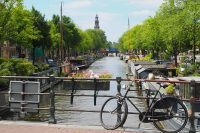
Why Are So Many People Moving to the Netherlands?
The Netherlands has become one of Europe’s most desirable destinations for professionals, families, and individuals seeking a life shaped by opportunity, clarity, and balance. Every year, more people choose to relocate there, and the trend continues to grow. For Williams & Yates, the Netherlands consistently appears as one of the most requested destinations, reflected directly in client data and the volume of enquiries received.
The question is not only why people are moving, but why they are choosing the Netherlands over other appealing European countries. The answer lies in a combination of economic strength, cultural openness, practical convenience, and a way of living that feels steady and sustainable. This article expands each part of that picture to help movers understand what draws so many people to the Netherlands and why the country stands out as a compelling long-term choice.
Economic Opportunities and Career Growth
The Netherlands has built a reputation as a country where professional ambition aligns with quality of life. The economy is strong, diverse, and consistently forward-looking. It is a place where global companies base their European headquarters and where skilled professionals find roles that match their abilities and aspirations.
Competitive Labour Market
Many industries actively recruit international talent. Technology, engineering, finance, healthcare, logistics, and research continue to expand, and companies regularly look beyond Dutch borders to source candidates with specialised skills.
Demand is not concentrated in a single city. Amsterdam’s economy is led by finance, technology and creative industries, while Rotterdam centres on logistics, maritime trade and industrial services. Utrecht supports healthcare, education and professional services; The Hague is defined by government, international law and diplomacy. Eindhoven leads in high-tech manufacturing and engineering, and Groningen focuses on energy, sustainability and academic innovation.
Consistent GDP growth gives professionals confidence that opportunities will remain strong rather than cyclical.
Career Opportunities for Expats
The Netherlands is particularly welcoming to English-speaking professionals. International companies operate across the country, and many roles are designed to be language accessible for newcomers. This lowers barriers to entry and accelerates integration.
Corporate headquarters, global logistics hubs, technology clusters, and research institutions all form part of the landscape. Professionals relocating through company placements often find that the Dutch approach to organisation, structure, and clarity supports a smooth transition into new roles.
Work permit policies also stand out. Skilled migrants benefit from favourable processing, predictable requirements, and a streamlined path to approval. For many relocating families, the stability of a clear immigration process brings reassurance and reduces uncertainty during the planning stage.
Attractive Salaries and Tax Benefits
The financial case for relocating to the Netherlands is strengthened by competitive salaries and a tax system designed to attract international expertise. The thirty percent ruling is a notable example. It allows qualifying highly skilled workers to receive a substantial portion of their income tax-free for a set period.
This benefit supports relocation costs, improves net income, and makes long-term planning easier. Additional incentives exist for specific sectors and research fields. Many international employees find that the combined effect of stable salaries, structured tax advantages, and predictable living costs creates a strong financial foundation for their move.
High Quality of Life
People often describe life in the Netherlands as balanced and well organised. The country invests heavily in public services, urban planning, safety, and cultural infrastructure. The environment feels calm and efficient, creating a sense of stability that appeals to newcomers.
Standard of Living
Residents benefit from modern amenities, reliable infrastructure, and a public environment that feels clean and well-maintained. Income levels and cost of living remain balanced in most regions, allowing individuals and families to enjoy a comfortable lifestyle without overstretching their budgets.
Prosperity is visible, yet understated. Dutch cities rarely feel overcrowded or overwhelming despite their density. Public spaces, local services, and community resources support everyday life with a level of structure and predictability that many find reassuring.
Work Life Balance
Work-life balance is one of the Netherlands’ defining characteristics. Companies prioritise personal time and maintain a cultural expectation that work should not overshadow wellbeing. Shorter working hours, flexible arrangements, and generous vacation policies are common features.
Many newcomers describe the experience of being trusted to manage their time. The emphasis is on output and responsibility rather than presenteeism. This creates a rhythm of life where evenings, weekends, and holidays genuinely feel protected.
Safety and Low Crime Rates
The Netherlands is consistently listed as one of the safest countries in the world. Cities and rural areas share this reputation, supported by effective policing and strong social cohesion. Families in particular value the sense of security, especially in neighbourhoods designed with community spaces, cycle paths, parks, and well-lit public areas.
Parents often remark on the comfort they feel when raising children in an environment where independence is encouraged and supported by safe infrastructure.
Strong Infrastructure and Everyday Accessibility
The Netherlands is built for practicality and ease. The country has invested for decades in infrastructure that focuses on movement, clarity, and equal access. Newcomers often notice this immediately in the transport system, public layout, and the way cities and towns are designed around people rather than vehicles.
Reliable Public Transport
Public transport in the Netherlands is one of the strongest in Europe. Trains run with frequency and punctuality across the country. Even small towns enjoy direct links to major cities. Buses, trams, and metro systems operate cleanly and efficiently.
Amsterdam, Rotterdam, Utrecht, and The Hague all maintain city networks that make daily life simple, especially for commuters. Integration between transport modes is seamless. A single pass often gives access to trains, trams, buses, and metros, making movement frictionless.
For newcomers, the effect is immediate. The need for a car fades. The stress of long commutes disappears. Movement becomes predictable, affordable, and safe.
Cycling Culture and Urban Design
The Netherlands is famous for cycling, yet the experience only becomes fully appreciated when you live there. Cities are designed around bike lanes, safe crossings, and thoughtful spatial planning. This is not an addition to city life but a core part of it.
Cycling creates a slower, calmer rhythm. It shapes neighbourhood identity, reduces noise, and fosters community interaction. For families, it becomes a safe way for children to move independently. For professionals, it becomes a practical alternative to crowded transport networks.
The accessibility of cycling also lowers everyday living costs. Many residents find that transport becomes one of the smallest parts of their monthly budget once they settle in.
Modern Connectivity and Digital Efficiency
Digital services in the Netherlands are impressive in their organisation and ease of use. Many administrative tasks are completed online through well-structured portals. From registering with local authorities to filing taxes or arranging healthcare, digital systems reduce complexity and save time.
Internet speeds are high across the country, including suburban and rural areas. This reliability supports remote work, international business, and day-to-day communication.
For newcomers, the combination of digital efficiency, reliable infrastructure, and thoughtful urban planning creates a living environment that feels supportive from the start.
Cultural and Social Appeal
The Netherlands has a cultural landscape that blends openness with structure. It is a place where people value independence yet respect community. It appeals to movers who want predictability without rigidity and cultural space without feeling overwhelmed.
Openness and Integration
Dutch society is known for its openness, direct communication, and clarity. People are welcoming while maintaining personal boundaries. This balance creates a social environment that feels respectful and inclusive.
International residents often comment on how quickly they feel part of their local community, especially in cities with diverse populations. English proficiency is high, which reduces early communication challenges. This practicality helps newcomers integrate smoothly while learning Dutch at their own pace.
Diversity and International Communities
The Netherlands hosts large international communities across its major cities. Amsterdam, Rotterdam, Utrecht, Eindhoven, and The Hague all attract professionals, students, and families from around the world.
This diversity shapes food culture, entertainment, education, and local businesses. Newcomers find that they can maintain familiarity with their own culture while adopting new routines within Dutch life. For families, this blend of cultures creates an environment where children grow up in a strongly international setting.
Arts, Culture, and Everyday Living
The Netherlands has a strong cultural identity. Museums, galleries, theatres, music venues, and festivals are woven into daily life. Yet culture does not sit apart from routine. It is integrated.
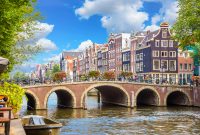
Local markets, neighbourhood events, canal-side cafés, and seasonal celebrations shape the experience of living there. Life feels active without being rushed. Heritage sits comfortably alongside modernity, creating a rhythm that appeals to people seeking depth and calm.
Education, Healthcare, and Social Systems
Many families move to the Netherlands because of the strength and clarity of its public systems. Education is well-regulated. Healthcare is structured and accessible. Social support systems create stability that people can rely upon.
Quality Education for All Ages
Education in the Netherlands is designed for fairness and progression. Schools follow clear frameworks that emphasise critical thinking, independence, and personal development. International schools are readily available in major cities, offering bilingual and global curricula.
Public schools maintain strong standards, and many international families choose them due to the balance of quality and cost. The system is transparent, organised, and supported by structured pathways that guide children from early years to higher education.
Healthcare that Prioritises Structure
Healthcare in the Netherlands is insurance-based, yet costs remain predictable and accessible. Registration with a GP is straightforward. Appointments are scheduled clearly. Medical staff communicate directly and professionally.
Insurance policies vary, but even comprehensive plans often remain within reasonable monthly costs. For families coming from complex or fragmented systems, the Dutch structure feels reassuring. Care is reliable, and administrative processes are clear.
Sustainability and Environmental Quality
The Netherlands places a high value on sustainability. Cities invest in clean energy, green transport, water management, and recycling. Outdoor spaces are maintained with care. Parks, canals, and waterfronts are accessible and form part of daily life.
Air quality is high. Noise pollution is low. Natural spaces are integrated into urban planning. The result is a living environment that supports mental wellbeing and physical health.
Housing and Cost of Living Overview
People often assume the Netherlands is expensive, yet the true picture varies with location, lifestyle, and expectations. The country offers a wide spectrum of housing choices. Urban areas are more competitive. Suburban and small town regions offer noticeably better value without sacrificing access to services.
Housing Costs in Key Regions
In Amsterdam, housing reflects international demand. A one-bedroom apartment in the city centre often costs between 1600 and 2000 euros per month. Outside the centre, this range lowers to 1300 to 1600 euros.
Rotterdam is more affordable than Amsterdam. A one-bedroom apartment usually ranges between 1100 and 1400 euros. Families renting a three-bedroom property often pay between 1600 and 2200 euros.
Utrecht and The Hague sit between the two. A one-bedroom apartment ranges from 1200 to 1500 euros. Three-bedroom homes commonly fall between 1800 and 2500 euros, depending on neighbourhood and transport links.
Smaller cities, towns, and suburban areas offer stronger affordability. A one-bedroom property often ranges from 800 to 1000. Three-bedroom homes sit between 1200 and 1800 euros. Many movers choose these areas for the balance between cost, quality, and accessibility.
Everyday Living Costs
Groceries remain steady. Couples typically spend between 70 and 120 euros per week. Prices vary slightly between large supermarket chains and smaller local specialists. Fresh produce remains accessible, and Dutch dairy, bread, and vegetables offer noticeable value.
Utilities average between 150 and 200 euros per month. Internet speeds are high and consistent, usually costing 30 to 50, depending on the package. Mobile plans remain affordable and easy to manage online.
Eating out follows regional patterns. In Amsterdam and Utrecht, a mid-range meal for two typically costs between 50 and 75 euros. In smaller towns, the same meal often costs between 35 and 60 euros. Cafés, markets, and casual dining form part of everyday life, and many newcomers find that social spending remains predictable.
Public transport costs are steady across the country. Monthly passes vary between 60 and 100 euros. Cycling, however, reduces this category for many residents. Once settled, many people rely on a combination of cycling and occasional train use, which keeps living costs stable.
The Netherlands’ cost of living is shaped more by housing than by day-to-day expenses. Once housing is chosen, the rest of the budget remains steady and manageable.
Stability, Safety, and Long-Term Security
People move to the Netherlands not only for opportunity but for long-term security. The country offers a strong sense of structure. Services run reliably. Public life is ordered without feeling restrictive. This stability is one of the most compelling reasons for relocation.
Transparent Governance and Public Trust
Dutch public administration is known for clarity. Processes are well defined. Information is accessible. Decisions are communicated in a way that supports understanding rather than confusion. This transparency builds trust and helps newcomers feel stable as they navigate registration, healthcare, taxation, and residency.
Clean and Predictable Urban Environments
Cities in the Netherlands are notably clean. Public spaces are maintained. Infrastructure is updated regularly. Neighbourhoods feel safe and organised. This creates an environment where families feel comfortable, professionals feel supported, and daily routines feel easy.
Long Term Residency Pathways
The Netherlands offers clear residency pathways for skilled migrants, families, and long-term residents. Processing times are structured and predictable. Requirements are well defined. For many movers, the sense that their future can be planned with confidence is a decisive factor.
The Williams & Yates Perspective
The Netherlands attracts people for many reasons, yet they all point to the same foundation. The country is built around balance. It offers opportunity without chaos. It builds structure without rigidity. It supports ambition without sacrificing personal life. For individuals and families thinking about a long-term move, this combination creates a compelling sense of possibility.
Williams & Yates support relocations to the Netherlands every week and understand the details that shape successful moves. The decision to relocate becomes easier when you can see what lies ahead with clarity and confidence.
-
Why are so many people moving to the Netherlands?
People relocate for economic opportunity, strong work-life balance, reliable infrastructure, safety, and a high quality of life. The Netherlands combines modern living with predictable systems and cultural openness.
-
Is it easy to find work in the Netherlands?
Yes, for many professionals. The country has strong job markets in technology, engineering, finance, logistics, healthcare, and research. English-speaking roles are common.
-
Is the Netherlands expensive to live in?
Housing in major cities can be competitive, but daily living costs are steady. Many families and professionals find the overall balance fair and manageable.
-
Is healthcare good in the Netherlands?
Healthcare is structured, well-regulated, and accessible. Insurance costs remain stable, and GP systems are organised clearly.
-
Do people need to speak Dutch?
English is widely spoken and supports newcomers during early stages. Learning Dutch over time helps with deeper integration.

To book or ask us a question, call us on 0208 081 0188 or get in touch.