Living in France: What to Expect as a Resident
Relocating to France is more than just moving to a new country; it is an immersion into one of the most carefully preserved cultures in the world and the customs and traditions that come along with it. France balances global influence with local traditions in a way that feels both timeless and modern. To live well in France, one must not only adapt to practical systems like healthcare and administration but also understand the rhythm of life shaped by customs: greetings that set the tone of social interaction, meals that are cultural events rather than a quick bite, and holidays that bring entire regions to a standstill.
For people moving to France, mastering these customs helps transform relocation into integration. This guide helps you to understand how French people live, work, eat, and celebrate. Each section uncovers how history, values, and etiquette shape everyday moments, so your move feels less like entering a foreign country and more like stepping seamlessly into a new chapter.

Living in France: What to Expect as a Resident
Relocating to France is more than navigating customs and cuisine and it requires adapting to the systems and structures that shape daily life. Workplaces, schools, healthcare, and administration all reflect the French way of balancing formality, tradition, and efficiency. For expatriates, understanding these systems in advance helps minimise friction and ensures a smoother adjustment.
-

-
Work and Business Culture
Professional life in France is formal and often hierarchical. Titles, greetings, and respect for seniority remain central, though younger generations are slowly reshaping norms.
Formality in Communication: Meetings typically begin with greetings that acknowledge everyone in the room. Using “Monsieur” or “Madame” followed by the surname is the standard until invited to switch to first names. Unlike in some English-speaking contexts, casual informality is not assumed, even in creative industries.
Hierarchy and Decision-Making: Decision-making often rests at the top. Managers may solicit opinions but final calls are centralised, reflecting both tradition and the value placed on authority. For expatriates accustomed to flatter structures, patience is key; decisions may take longer but are deliberate and binding.
Meetings and Work Rhythm: Punctuality is expected, and meetings are structured, often with a clear agenda. However, long discussions are common; French professionals value intellectual debate, even when it doesn’t immediately resolve practical issues.
Work-Life Balance: France is famous for protecting work-life balance. The 35-hour workweek, extended paid holidays, the right to disconnect, and strong labour protections mean that evenings and weekends are often considered untouchable for work. Strikes (grèves) are common, particularly in transport and education, but are seen as legitimate civic expressions rather than disruptions.
For executives relocating or companies sending staff to France, understanding this balance between formality, intellectual rigour, and lifestyle protection is crucial. It sets the tone for effective collaboration.
-
Education and School Traditions
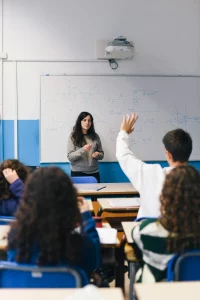
Education in France reflects the country’s values of equality and culture. It is centralised, structured, and demanding, but also places emphasis on shared experiences such as meals and holidays.
Structure: Schooling begins with école maternelle (nursery school, ages 3–6), followed by école élémentaire (primary), collège (middle school), and lycée (secondary). At the end of lycée, students take the baccalauréat (BAC), a rigorous exam that determines access to university.
Lunch and Rhythm: School days are long, often running from 8:30 a.m. to 4:30 p.m., but can include a two-hour lunch break. This extended pause reflects the national prioritisation of meals as a cultural and social act.
Wednesday Afternoons Off: In many schools, Wednesday afternoons are free. This tradition allows time for extracurriculars, sports, or family activities. It also demonstrates how the French balance academic intensity with leisure.
Canteens and Food Culture: French school canteens (cantines) are famous for their quality compared to many other countries. Meals are balanced, include fresh produce, and often mirror adult dining with multiple courses. Cheese and fruit are staples, instilling culinary culture from an early age.
Higher Education: Universities are largely public and low-cost, but France is also known for its grandes écoles, elite institutions like Sciences Po, École Polytechnique, and HEC Paris, similar to how we have Oxford, Cambridge and other top universities in the UK. Admission is highly competitive, reflecting the national emphasis on meritocracy.
For families relocating, the education system offers both challenges (rigour, formality) and opportunities (cultural immersion, quality meals, global reputation).
-
-

-
Healthcare and Wellbeing
France’s healthcare system consistently ranks among the best in the world, blending universal access with high standards of care.
The Carte Vitale: All residents are required to apply for a Carte Vitale, a green health insurance card that ensures access to the national system. This card links patients directly to reimbursement systems, making payments efficient and transparent.
Top-Up Insurance (Mutuelle): While the state covers most costs, many residents choose supplementary insurance, known as a mutuelle, to cover dental, optical, or specialist services. Employers often contribute to these plans, reflecting the country’s emphasis on collective welfare.
Pharmacies as Cultural Institutions: Pharmacies in France are not simply dispensers of medicine. Staff are trained to advise on minor ailments, preventive care, and even homoeopathic remedies. Green neon crosses marking pharmacies are iconic symbols across French towns.
Preventative Care: France emphasises prevention. Routine screenings and vaccinations are widely promoted, and many services are free or heavily subsidised. Maternal and child healthcare services are particularly strong, ensuring continuity of care for families.
For expatriates, navigating healthcare may initially appear paperwork-heavy, but once registered, the system provides both affordability and reliability.
-
Bureaucracy and Administration
France’s reputation for bureaucracy is well-earned, but it is rooted in tradition as much as inefficiency. Administration remains heavily paper-based, even in an increasingly digital world.
Paperwork and Stamps: Forms, multiple copies, and official stamps (tampons) are the norm. Expatriates often find themselves asked for documents in triplicate, accompanied by certified translations. The process can be slow but it is designed to ensure accuracy and accountability.
Patience with Queues: At prefectures (government offices), queues can stretch for hours. Appointments are recommended, though delays remain common. For French citizens, this is an accepted part of life; for expatriates, it requires patience and preparation.
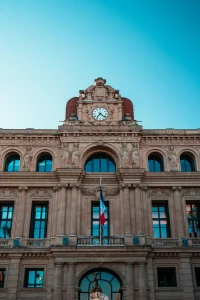
Role of the Mairie: The town hall (Mairie) is central to community life. Beyond handling identity papers, permits, and marriage registrations, it also organises local cultural events, festivals, and even art exhibitions. Visiting the Mairie is often the first step in any administrative process.
Digital Transition: While digital portals exist for taxes, healthcare, and visas, the system remains hybrid. Paper signatures are often required alongside online submissions. This duality can be frustrating but reflects the French desire to balance modernisation with tradition.
For expatriates, understanding bureaucracy and navigating it successfully requires patience, politeness, and persistence.
-
Public Holidays and National Celebrations
Public life in France follows a rhythm set by holidays, seasonal breaks, and regional festivals. These are not just days off in the way we have bank holidays; they are deeply embedded cultural rituals that influence how businesses operate, how families gather, and how communities celebrate. For expatriates, recognising this rhythm is crucial to avoiding surprises, from finding shops closed for two weeks in October to discovering that the entire country seems to decamp in July and August.
-

-
La Toussaint (All Saints’ Day)
Observed on November 1, La Toussaint is both a religious and cultural event. Families visit cemeteries to honour loved ones, adorning graves with chrysanthemums, which symbolise remembrance. For expatriates, this is why bringing chrysanthemums as a gift at other times is taboo; the flower is tied closely to mourning.
Schools and many businesses close for a two-week holiday around Toussaint, giving families time to gather. It also marks the beginning of autumn’s reflective season, when villages quiet down and cultural life turns indoors.
Noël (Christmas) and New Year
Christmas in France blends Catholic tradition with secular festivity.
- Markets and Décor: Strasbourg claims the oldest Christmas market in Europe, dating back to 1570, but nearly every town hosts its own. Stalls overflow with mulled wine, gingerbread, and handcrafted gifts. Homes are decorated with nativity scenes (crèches), often featuring not just the Holy Family but local village figures like bakers or fishermen.
- Food Traditions: The Réveillon, or Christmas Eve dinner, is the centrepiece, featuring delicacies like oysters, foie gras, roasted capon, and the bûche de Noël (yule log cake). Champagne flows freely, underscoring France’s culinary pride.
- New Year’s Eve (la Saint-Sylvestre): Families and friends gather for long dinners, and fireworks light up major cities. Greetings for the New Year are extended throughout January, with cards and handshakes marking the season.
For expatriates, Christmas is both a family-centred holiday and a national event. Expect closures of many shops and restaurants around the 24th–26th and again around New Year’s Day.
-
Vacances d’Hiver (Winter Holidays)
Each February and March, schools close for two weeks, staggered by region to manage ski resort crowds. Families flock to the Alps and Pyrenees, making this one of the busiest times in the French year. For expatriates, planning travel or school schedules around these breaks is essential, especially in ski-heavy regions where availability disappears months in advance.
Vacances de Printemps (Spring Holidays)
In April and May, the spring break (once tied directly to Easter, now secularised) offers another two-week respite. Families use this period for short trips such as to the countryside, to coastal regions, or abroad. For businesses, this means a slower rhythm, particularly in family-owned enterprises where owners may simply close shop during the break.
Les Grandes Vacances (Summer Holidays)
The most iconic French holiday is the summer break, running through July and August. Schools close for nearly two months, and businesses often follow suit.
- The August Exodus: In Paris, August can feel deserted. Bakeries, boutiques, and even restaurants hang handwritten signs: Fermé pour congés annuels (Closed for annual vacation). While tourism continues, locals retreat to the countryside or coast.
- Cultural Impact: This collective rhythm emphasises how deeply leisure is valued in France. Unlike in countries where holidays are scattered, the French prefer shared time off, reinforcing family and community bonds.
For expatriates, this is both a delight and a challenge: seaside towns come alive, but navigating administrative services in August can be nearly impossible.
-
-
-
Regional Festivals and Village Fêtes
Beyond national holidays, each region celebrates unique traditions.
- Provence hosts lavender festivals in July, where parades, music, and open-air markets celebrate the harvest.
- Alsace shines at Christmas, with villages like Colmar turning into fairy-tale markets.
- Brittany embraces Celtic heritage with music festivals such as the Festival Interceltique de Lorient, drawing performers from across the Celtic world.
- Corsica celebrates with processions tied to religious saints, blending Italian-style pageantry with island pride.
Village fêtes, annual celebrations of local patron saints, food specialities, or historical events, are central to rural life. They often include processions, fireworks, communal meals, and dancing that lasts late into the night. For expatriates, joining these fêtes is one of the quickest ways to integrate into community life.
Beaujolais Nouveau Day
On the third Thursday of November, the French celebrate the arrival of Beaujolais Nouveau, a young red wine produced in the Beaujolais region near Lyon.
Tradition: Historically, this was the day winemakers released the year’s vintage. Over time, it became a national event, with the slogan Le Beaujolais Nouveau est arrivé! (“The Beaujolais Nouveau has arrived!”) appearing in bars, cafés, and shops across the country.
Celebration: Bars and bistros open bottles at midnight, with music and dancing accompanying the first sips. Though wine critics often downplay its quality, the event is symbolic, a cultural marker of renewal, seasonality, and collective joy.
For newcomers, Beaujolais Nouveau Day is an ideal introduction to how seriously (and joyfully) the French treat wine. It is less about the vintage and more about the ritual of celebration.
-
Quick Tips to Blend In
Mastering French traditions takes time, but even small gestures can create a sense of belonging. These tips, expanded from daily habits, show how to adapt gracefully and avoid cultural missteps.
Arrive late for dinners, punctual for meetings: In professional life and restaurants, punctuality is essential. Arriving late may be seen as disrespectful. Yet in private homes, particularly for dinner invitations, arriving 10–15 minutes late is expected. Hosts appreciate this small buffer to finalise preparations, and arriving “on time” can actually be inconvenient.
Always greet shopkeepers: Entering a boutique, bakery, or even a bank without saying “bonjour” is considered rude. A simple greeting acknowledges the person behind the counter as a participant in the exchange, not just a service provider. Similarly, leaving without “au revoir” risks coming across as abrupt.
Ask for ice — don’t expect it: Ice in drinks is not the norm. Restaurants typically serve water and soft drinks at room temperature or lightly chilled. If you prefer ice, ask politely, but understand that it may not always be available, especially outside major cities.
Smile sincerely, not constantly: In France, smiling is not used as a generic sign of friendliness, as it often the case here in the UK. A smile carries meaning and is used sparingly. Over-smiling at strangers may be interpreted as superficial or flirtatious, particularly in professional contexts.
Deflect compliments with modesty: When complimented, French etiquette leans toward humility. Instead of saying “thank you” directly, one might respond with humour or understatement: “Oh, it’s nothing” (Ce n’est rien). This avoids appearing arrogant, while still acknowledging the compliment.
Coffee bowls at breakfast only: Drinking coffee from a bowl is a traditional French breakfast habit. Outside this context, it is inappropriate. Ordering one at lunch or dinner would appear unusual, if it’s even on the menu, so it’s best to follow local custom.
-
-
Meals take time: Whether at home or in a restaurant, meals are not rushed. Expect dinner to last two or three hours, with multiple courses. Lingering over coffee or digestifs is part of the ritual, and leaving quickly can seem discourteous.
Conversations include philosophy and politics: The French are comfortable discussing topics that some cultures avoid. Politics, philosophy, and even religion are not taboo. Debate is seen as stimulating, and disagreement is welcomed if expressed intelligently.
Respect the dish as served: Requesting substitutions, removing ingredients, or asking for “on the side” adjustments is uncommon. Meals are considered expressions of the chef’s craft. Accepting dishes as presented shows cultural respect.
Doggy bags exist but are rare: Since 2016, restaurants have been legally required to offer “le doggy bag” upon request to combat food waste. However, it is still not common practice. Many French diners prefer to finish at the table or leave food behind.
Titles matter: Address women as madame unless clearly under 18, in which case mademoiselle may still apply. For men, monsieur is always appropriate. Using the correct title shows cultural sensitivity and formality.
Expect Sunday closures: Many shops, especially in smaller towns, close on Sundays. Large supermarkets may open in the morning but close by midday. Restaurants and bakeries often rotate closures to allow staff rest. Planning ahead is essential.
Driving etiquette differs: In rural areas, drivers may pass slowly on narrow roads, and roundabout rules differ (priority to the right is still observed in some regions). In cities, scooters weave aggressively through traffic. Adapting quickly avoids frustration.
These tips may seem minor, but they represent deeper values: respect, restraint, and the importance of shared cultural rituals. For expatriates, adopting them helps shift locals from seeing you as a “visitor” to “resident”.
-
Final Thoughts
Moving to France is more than just changing your address; it is stepping into a culture that values tradition, formality and community, where business, schools, holidays and meals follow rhythms that balance modern efficiency with a respect for heritage. Bureaucracy and paperwork may require patience, yet the healthcare and education systems offer both quality and fairness.
The slower cadence of life, with long lunches, strong labour protections, national holidays and regional festivals, should be seen not as an inconvenience but as an invitation to immerse yourself. With openness, respect for local customs and a willingness to adapt, living in France becomes deeply rewarding as the unfamiliar turns familiar and the rhythms of daily life become something to cherish.
FAQs
-
Do the French really take two hours for lunch?
Yes, particularly outside major cities. Lunch is the central meal of the day, and a two-hour break is still common in schools and many workplaces. Even where shorter, lunch is rarely rushed.
-
How many kisses are normal for a greeting?
It varies by region — two in Paris, three in Provence, and four in some parts of the Loire and Corsica. Locals will usually guide you, so follow their lead.
-
Are strikes really that common in France?
Yes. Strikes (grèves) are part of civic life and often affect transport, education, or public services. They are generally announced in advance, allowing residents to prepare.
-
Why do shops and offices close for lunch?
Because meals are considered social rituals. In small towns, entire shops may shut from 12–2 p.m., while in cities, reduced staffing is common.
-
How should I greet my neighbours when I first move in?
A simple “bonjour” and a small gesture, flowers, pastries, or a bottle of wine, goes a long way. Building trust with neighbours is gradual, but respect and courtesy are essential.
-
Are Sundays really a day of rest?
Yes. France enforces Sunday as a rest day, though laws have loosened for larger supermarkets in cities. Still, many small shops remain closed, reinforcing the rhythm of family and leisure time.
-
What do I need to set up healthcare?
You’ll need a residence permit and proof of address to apply for the Carte Vitale. Registration can take months, so expatriates often arrange private insurance temporarily. Once set up, the system is efficient and affordable.
-
Is it normal for children to come home for lunch?
In small towns, yes. Many children return home to eat with family, particularly at primary school age. In cities, most children stay at school and eat in the cantine, which mirrors adult dining traditions.
-
Why is paperwork so heavy in France?
French bureaucracy values precision and official verification. Multiple copies, stamps, and notarised signatures are standard. While frustrating for expatriates, it reflects the nation’s historical emphasis on accuracy and centralisation.
-
Do I need to speak French to live comfortably?
In Paris and larger cities, English may suffice in some circles, but outside these hubs, French is essential. Even basic greetings and courtesies in French open doors to better service and warmer relationships.
-
Why do French people seem less outwardly friendly than other nationalities?
It’s a cultural difference. Reserved public behaviour is not unfriendliness but discretion. Friendships may take longer to build but are often deep and enduring once established.



To book or ask us a question, call us on 0208 081 0188 or get in touch.